


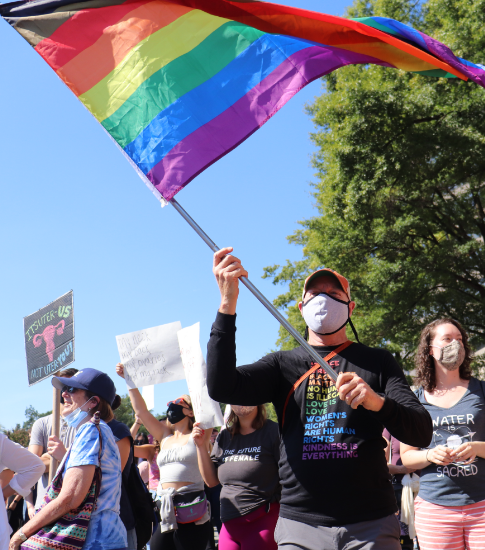
Celebrating 50 Years of Freedom, Justice, and Equity for LGBTQ+ People
We are building a future where everyone can be free to be their entire selves in every aspect of their lives.
Join Us


What We Do
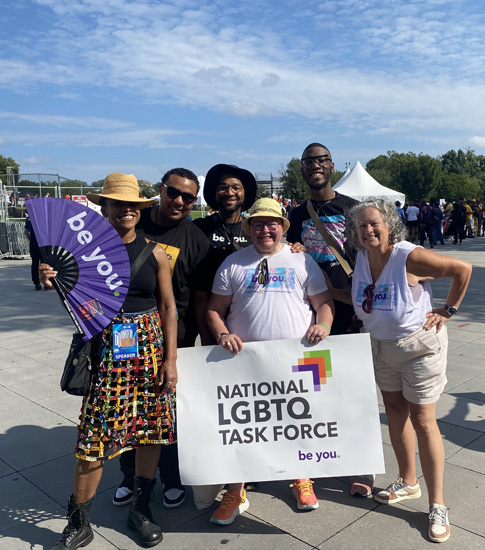
The National LGBTQ Task Force is dedicated to achieving freedom and justice for lesbian, gay, bisexual, transgender, queer people, and their families through proactive, targeted, change-inducing initiatives.
Queering Democracy
Our democracy must work for all people in this country, valuing us as our authentic selves
Queering Equity
Ensuring our community is visible and recognized to advance legislation and policies that promote equity
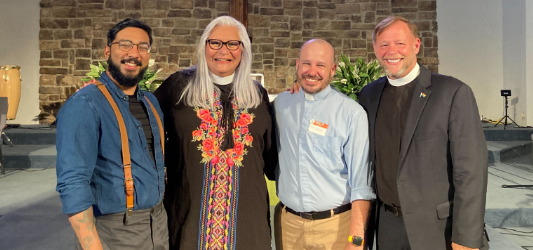
Queering Faith
Inter-faith organizing to support queer leaders and queer communities of faith in telling their stories and raising their visibility
Building Power
Building the grassroots strength of the LGBTQ+ movement
Annual
Signature Events


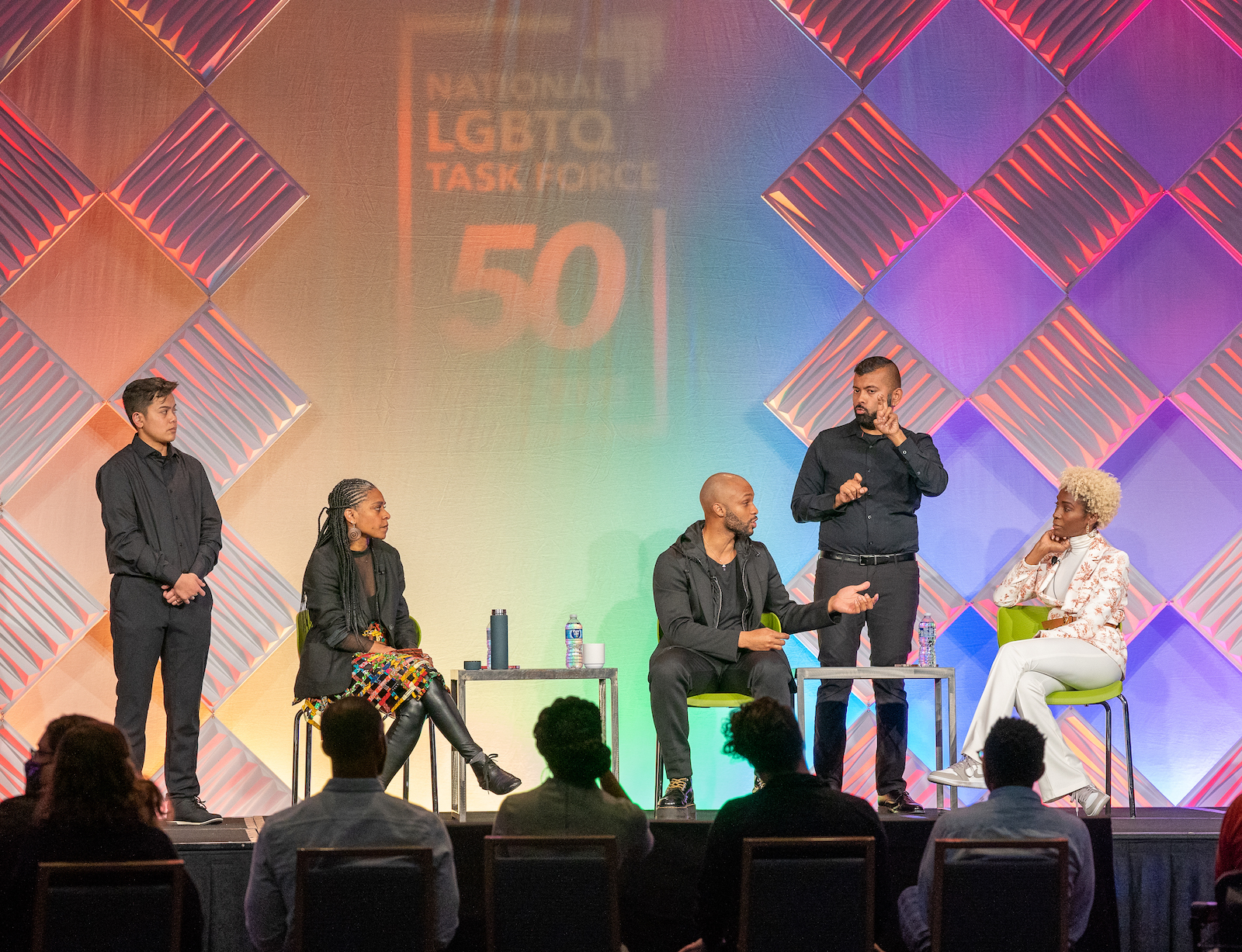



We are Creating Change!
50 years is just the start.
Our history is a reminder that we can dare to envision a better future for all.
Watch Now
Our history is a reminder that we can dare to envision a better future for all.
News and Updates
March 30, 2024
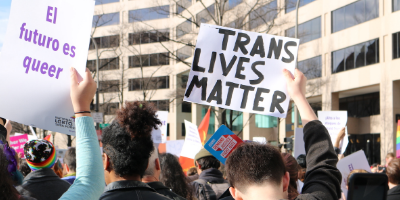
Celebrating Trans Day of Visibility
March 26, 2024
LGBTQ+ People and the Supreme Court Mifepristone Case
Get Updates, Actions, and Events
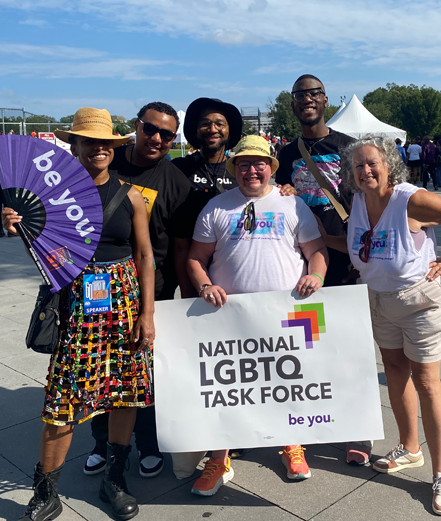
Support Our Work
Help us advance FREEDOM, JUSTICE, and EQUITY for all LGBTQ+ people.
National Corporate Partners